Between June and September 2026 we closed five homes inside The Cliffs at Glassy. No two of them reached closing the same way. One never went on the market at all. One went under contract in seven days. One had already spent three hundred and three days with another firm, across four price cuts, and had never sold.
Everything else on this page is downstream of that one sentence.
A house at Glassy does not fail to sell because nobody saw it. Between the MLS, the portals and the Cliffs network, everybody sees everything. It fails to sell because it is asking a number the market has already declined to pay, and every additional week on the market makes that number harder to get rather than easier.
More than half of recent Glassy closings are cash buyers. They are not rate-sensitive, which is often reported as good news, but they are acutely valuation-sensitive, which is the part that matters. A listing that crosses a hundred and eighty days carries a discount expectation that did not exist three years ago.
So the sequence matters more than the ingredients. The analysis comes first. The marketing plan is built to support the number, not to rescue it. In the five sales below, four had the buyer or the price settled before the sign went in the ground, and the fifth is the cautionary one.
$1.4M–$1.8M
where Glassy absorbs, 3,000 to 5,500 sq ft
180
days after which a discount is assumed
50%+
of recent Glassy closings paid in cash
Submarket figures from the Damian Hall Group client market analysis dated 14 May 2026, drawn from the MLS of Greenville, South Carolina.
The five
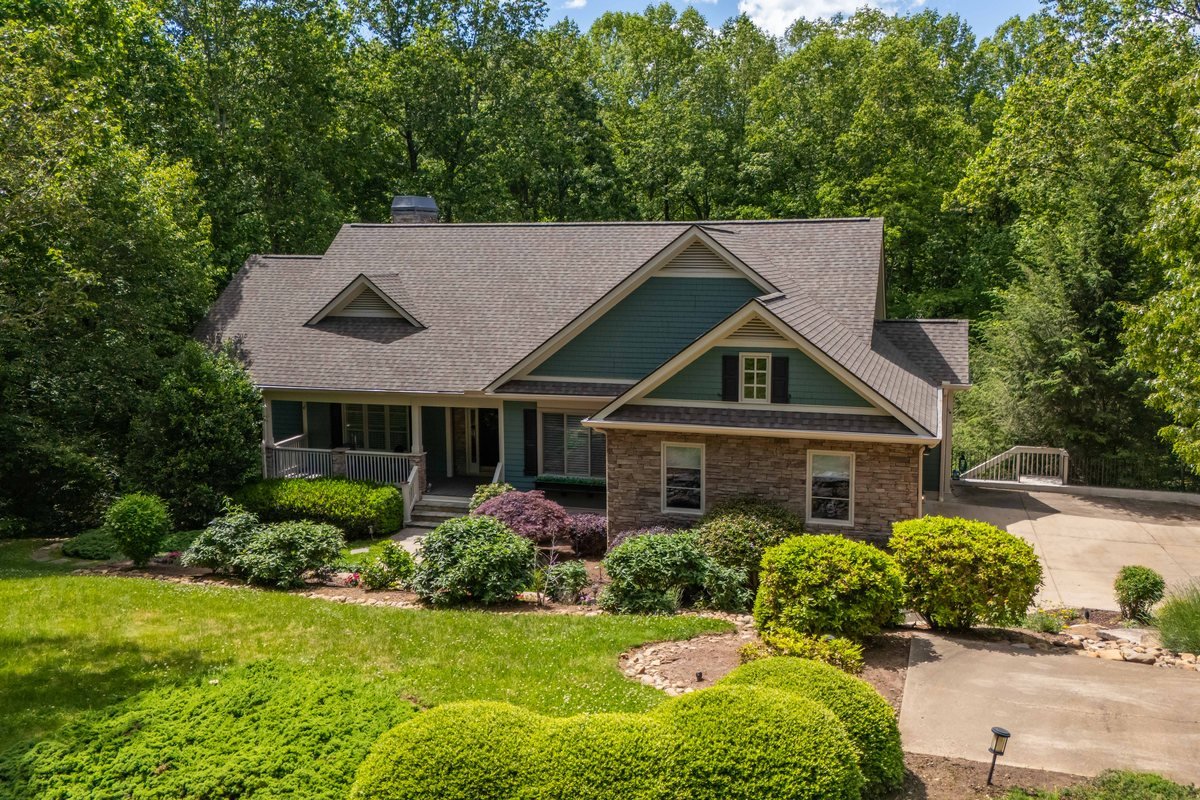
01 · 130 Stony Road
Seven days.
We listed it, we brought the buyer ourselves, and it was under contract in a week.
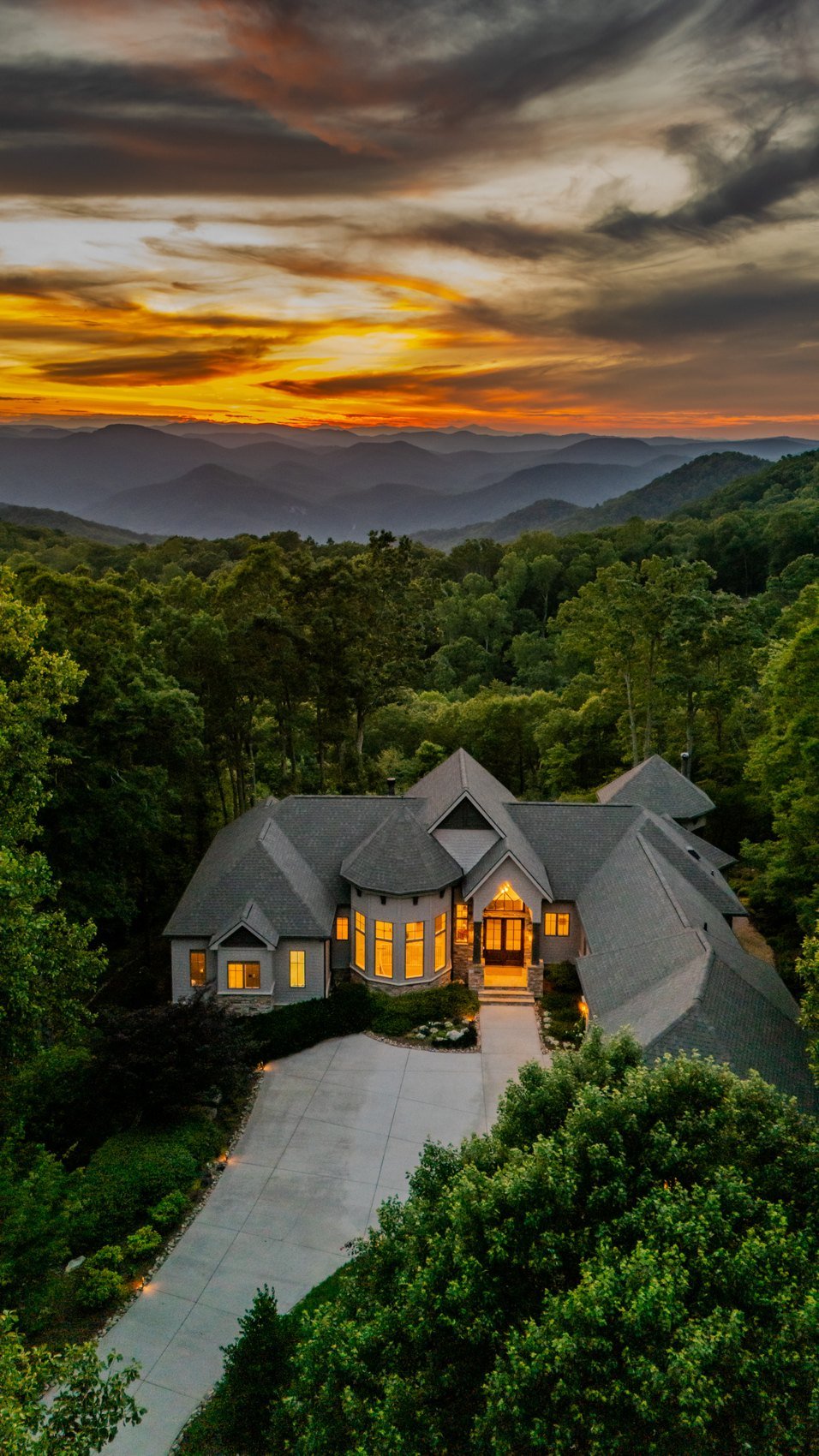
130 Stony Road · The Cliffs at Glassy
Most listings begin with a marketing plan and a hope. This one began with a family already in our orbit who wanted exactly this view, on exactly this mountain, and had not found it. We knew both sides of the transaction before either side knew the other existed.
That is not a marketing outcome. It is a relationship outcome, and it is the reason a house at this level can go from listed to under contract in a week without a single dollar of pressure applied to the price.
The seller, Kim Daniels, asked for one more thing: a month-long lease-back, so she was never rushed into the next chapter. We arranged it. That part matters as much as the speed, and it is the part that never shows up in a statistic.
$2,300,000
Closed, August 2026
7
Days to under contract
1
Brokerage on both sides
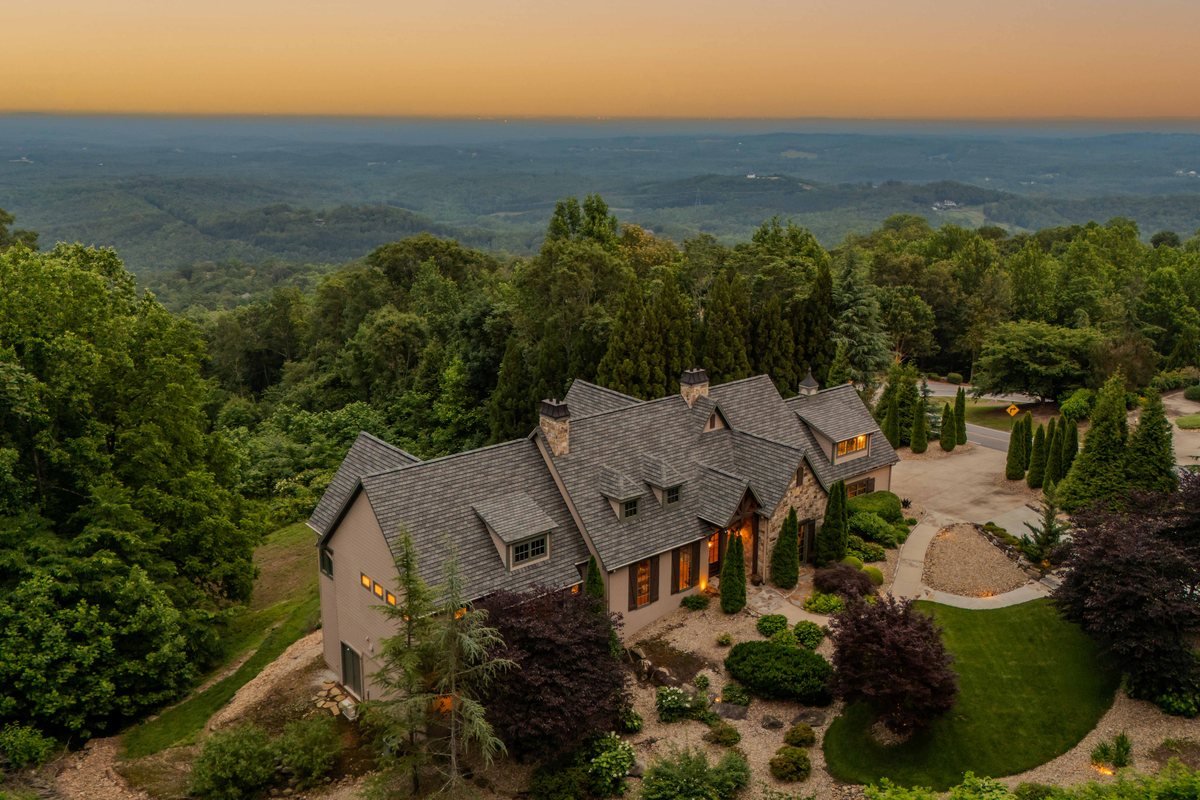
02 · 208 Craggy Rock
It never reached the market.
No listing, no sign in the yard, no showing calendar, and no week of strangers walking through the kitchen.
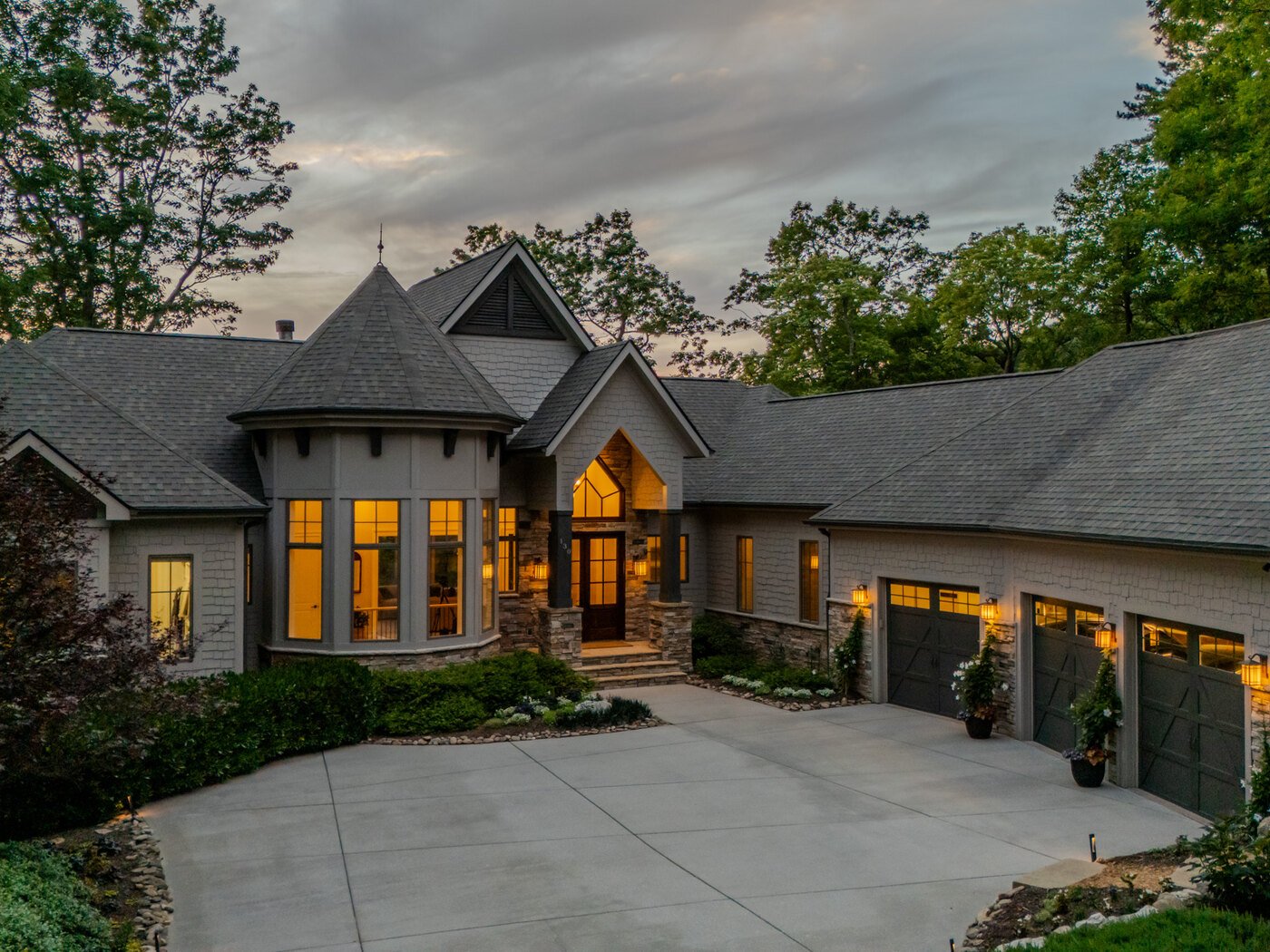
208 Craggy Rock · sold before it listed
Joda and Scott Coolidge sold Craggy Rock privately, to buyers already known to us. They took our advice on a short list of changes to the property first, which is the part most sellers skip, and it is the reason the house was ready the week the right buyer surfaced.
One brokerage sat on both sides of the table, with the dual-agency consent executed and on file. The sellers took a lease-back on their own schedule rather than the buyer’s, so they were never negotiating from a position of having to be somewhere.
An off-market sale is not a shortcut and it is not for every house. A property that has not been publicly exposed has not been price-tested by the market, so the seller is relying entirely on the quality of the analysis and the credibility of the buyer in front of them. That is a trade, and it is only a good one when the number is right and the terms are better than a public sale would produce. Where the analysis says a public launch would do better, we say so, and we launch.
$1,675,000
Closed, August 2026
0
Days on market
0
Showings
03 · 105 The Cliffs Parkway
Both sides, again.
The largest of the five, and the second transaction in a single season where one team read the whole table.
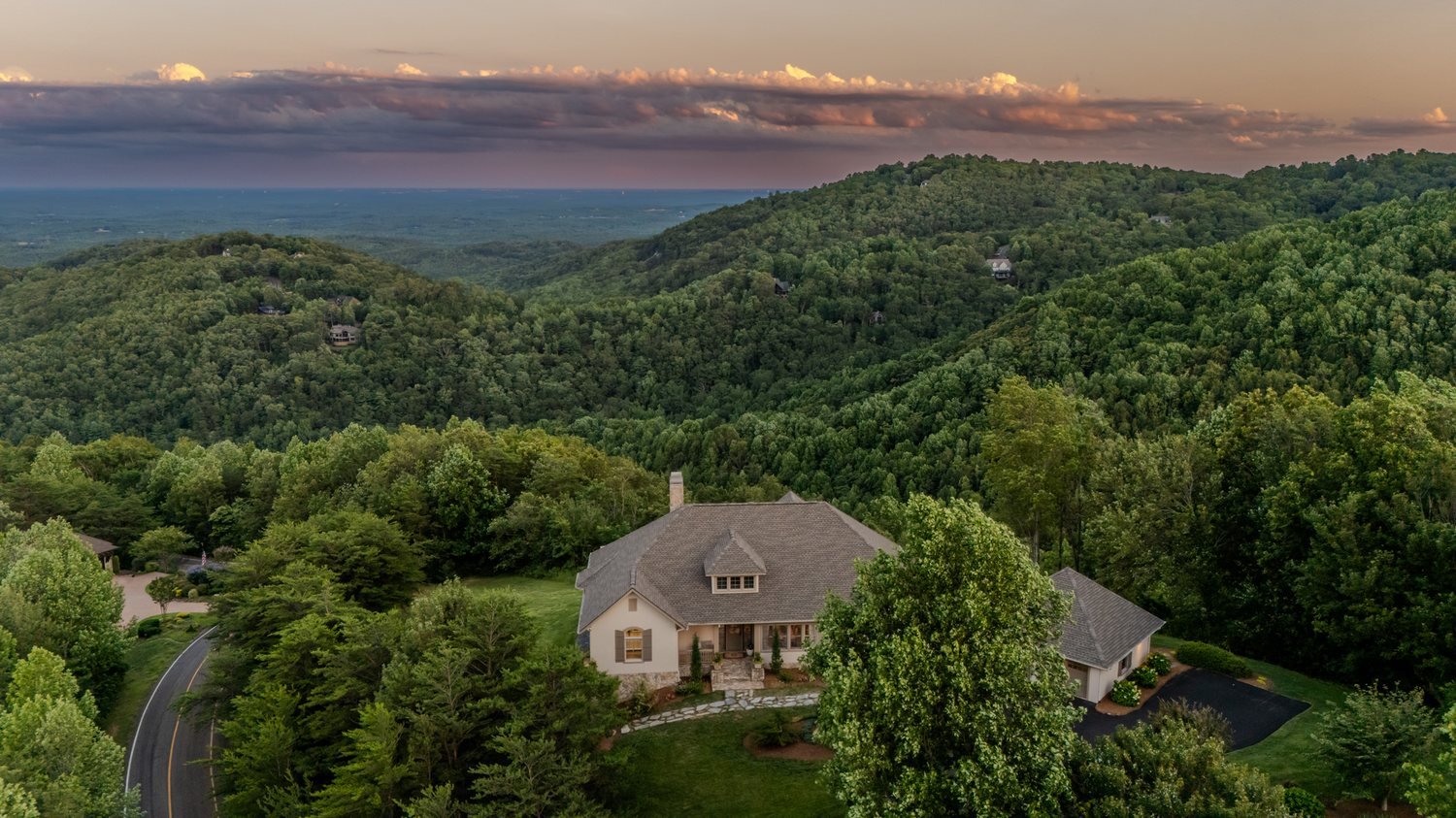
105 The Cliffs Parkway · The Cliffs at Glassy
At three million, the variables that break a deal are rarely the price. They are the inspection, the timing, the financing, and the handful of moments where somebody needs to make a decision quickly and correctly with imperfect information.
Every one of those is a place where a friend-of-a-friend introduction can quietly fall apart, and every one of them was handled by people who work together every day and were reading both sides of the table.
$3,200,000
Closed, July 2026
1
Brokerage on both sides
2
Such sales in one season
04 · 8 Rustic Court
The entry point still moves.
The smallest of the five, included here precisely because it is the smallest.
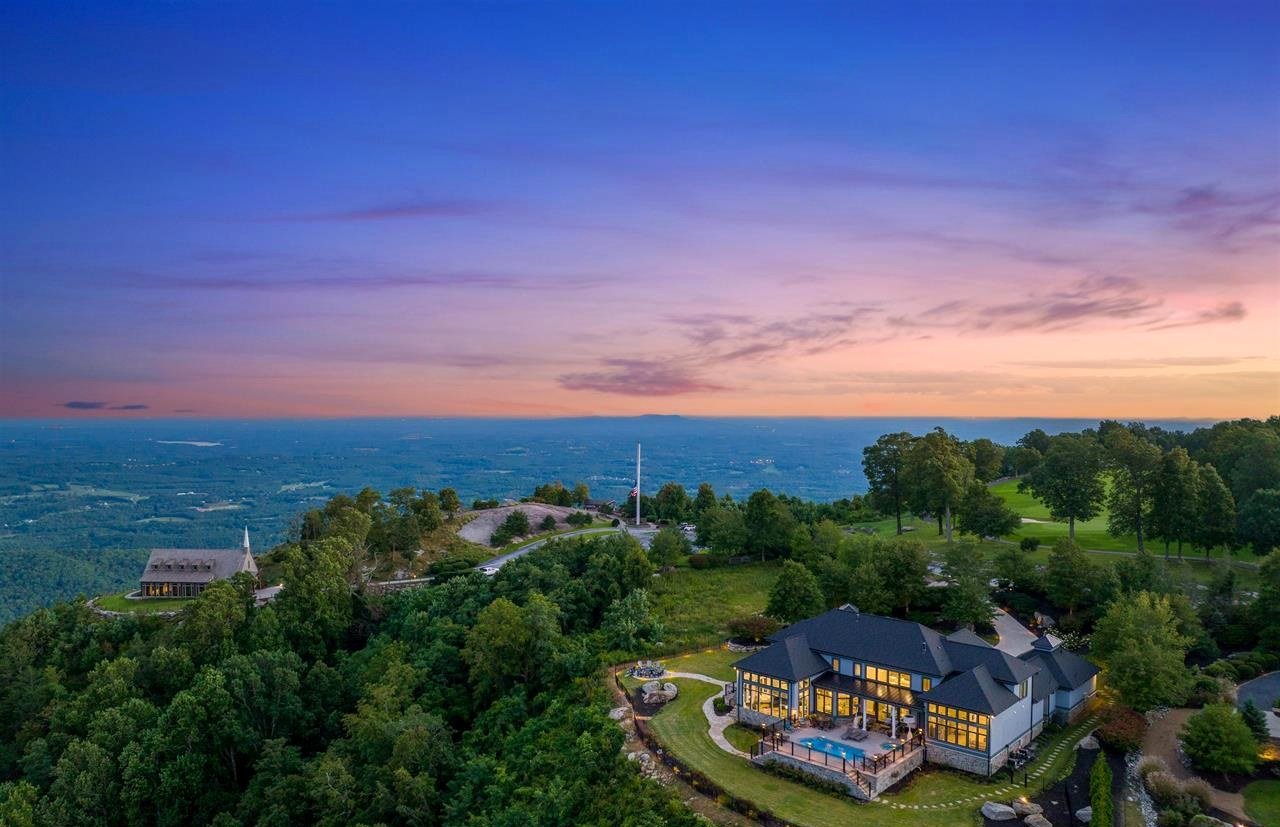
8 Rustic Court · The Cliffs at Glassy
A craftsman on a quiet cul-de-sac inside the gate, closed in the same season as three larger Cliffs sales. It received the same photography, the same film, the same copy discipline and the same audience as the three-million-dollar listing above.
That is a deliberate policy rather than a courtesy. The presentation a house receives here does not scale with its price, because the buyer for a million-dollar Glassy home is making exactly the same decision, with exactly the same care, as the buyer at three. They are simply making it with a different number.
$1,015,000
Closed, 14 August 2026
Same
Photography, film and audience
05 · 605 Raven Road
303 days. Then 63.
Three hundred and three days with another firm, across four price cuts. Then sixty-three with us.
605 Raven Road · The Cliffs at Glassy
The owners had already done everything a seller is told to do. They hired a firm, they took the number they were given, and when nothing happened they agreed to cut. Then to cut again. Then twice more. The listing opened at $2,250,000 in August 2025 and ended at $1,895,000, where it expired, was relisted the next day at the same number, and expired a second time.
At the owners’ request we wrote the analysis on 14 May 2026, while the house was still listed elsewhere at $1,895,000 and 285 days deep. It recommended a reset to $1,695,000, put a sixty-five to seventy percent probability on a contract within ninety days, and said plainly that holding at $1,895,000 was worth less than fifteen percent. That listing expired eighteen days later.
The seller chose to relist at $1,795,000, above our recommendation. That is his right, and we ran the whole plan at his number, adjusted once at five weeks, and it closed above the band the analysis had forecast. Afterwards he told us he wished he had leaned on our figure harder at the start. We would never have said it first.
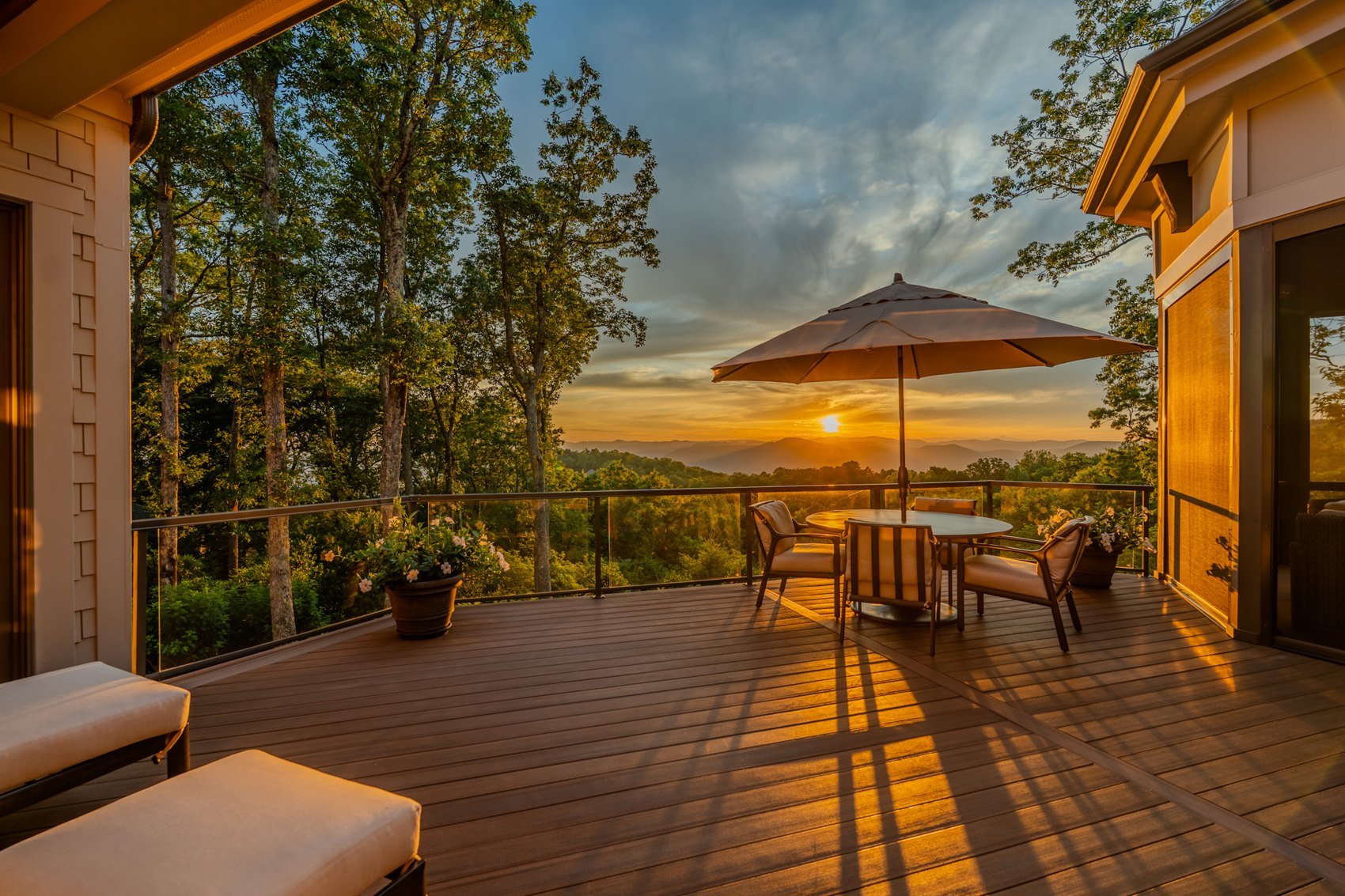
What a buyer is actually buying. Not square feet, the hour of the day this view is worth waiting for.
The whole submarket, on two axes
Faster, and for more.
Every comparable Cliffs at Glassy resale of similar size and finish, plotted against what it sold for and how long it took. The top-left corner is the one a seller wants.
Damian Hall GroupComparable salesExpired, never sold
Comparable sales drawn from the Cliffs at Glassy submarket for the 12 months to 18 September 2026, matched on size and finish. Source: MLS of Greenville, South Carolina.
What the marketing actually is
An evening, not an open house.
Four of these five sales had the buyer or the price settled before the sign went in the ground. The marketing still runs, because the point of it is not to find a buyer from nowhere. It is to make the house the one people on this mountain are talking about in the week that matters.
So we host. An invitation-only evening for agents and residents, catering by Table 301, live music by Trey Francis, and the house lit the way it deserves to be seen. The film below is 605 Raven Road’s.
Filmed on the night, at 605 Raven Road. The house that had sat for three hundred and three days with another firm, full of the people most likely to know its next buyer.
The photography, the film, the print and the paid campaign are funded by us, spent before a dollar of commission exists, and never invoiced back at closing. That is also why the decision to take a listing is a real decision rather than a formality.
An Evening with Christie’s · In the Cliffs at Glassy 605 Raven Road · DHG Studios
The full document
Twenty-six pages, and the parts we got wrong.
Everything above is the short version. The document goes further: what Glassy actually clears by size and finish, the exhibit from the Raven Road analysis with its dated forecast, a scorecard marking the three calls that landed and the one that did not, what happens before a sign goes in the ground, and what the marketing costs and who pays for it.
Where our own forecast was wrong, we say so and show by how much. That is not modesty, it is the only reason to trust the figures that were right.
The status quo can no longer compete.
If you own at Glassy, at Keowee, or anywhere in these mountains and you are within a year or two of a move, the useful next step is not a valuation email. It is a conversation about what your specific house would need, and a look at the plan we would actually run.